

Inbound Weekend in Aracaju
The 2nd of September after being in Brazil for a week and a half, it was time to go on the welcome weekend in Aracaju with all the other exchange students in the district and a bunch of Rotex and Rotary people.
The Rotary district I’m in covers three states: Bahia with 15 million inhabitants, Sergipe with 2.2 million inhabitants and Alagoas with 3.3 million inhabitants. That means the district is more than three times the size of Denmark, and my city Salvador is about half the size of my whole country. Gives you a bit of an idea about the size comparison between Brazil and Europe.
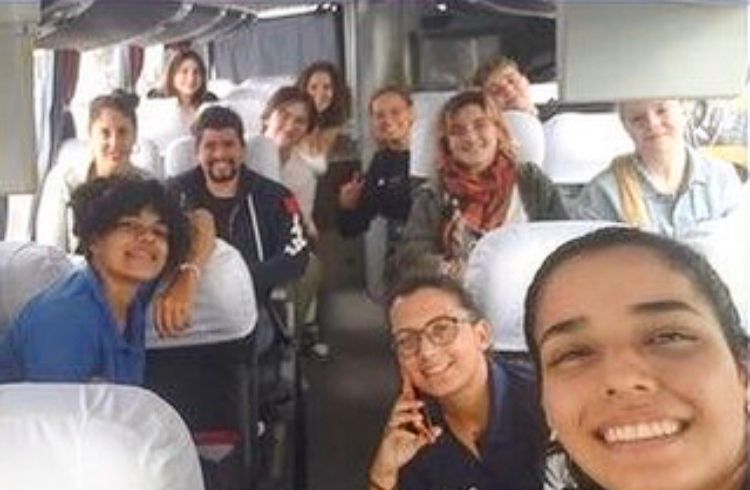
In this district we are 10 outbound student from across the world (Inbound students means the students coming to the country, while outbounds are the ones leaving the country). The six of us who lives in Bahia met up early in the morning to drive 5 hours to the city Aracaju in Sergipe, where the meeting would take place. Along the way we got to get to know each other a bit, and we took turns playing music from our home country in each language on the speaker.
Upon arrival we had lunch together at a restaurant with a gorgeous view, where we had the opportunity to try some local dishes.

After lunch we went straight to the meeting place to meet the rest of the people, and we were “only” 1.5 hour behind schedule. Most of us thought, that that was a one time thing because we had a bit of trouble along the way, but throughout the weekend it became clear, that that was not the case.
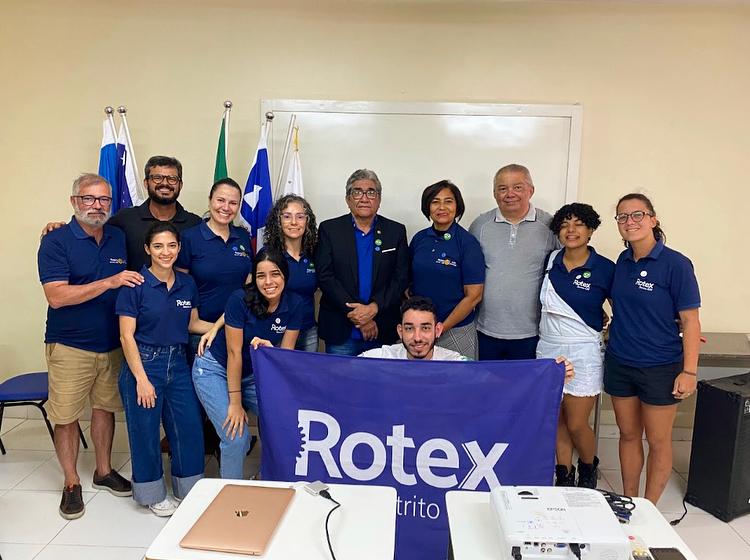
At the meeting there were a bunch of Rotary people with everything from YEP officers and presidents from both the district and the club in Aracaju, to normal rotarians who just wanted to say hi and help give us a warm welcome.
There were also a lot of Rotex people. Some of them we met in the bus, and some of them lived in Aracaju and joined us there. Rotex is a wonderful organisation for former exchange students, who now help the current exchange students, both inbounds and outbounds, by giving advice and arranging trips like this. Rotex is active in a lot of places, and in our district it consists of 5 former outbound students from Brazil and even a former inbound student who was an exchange student in brazil like us and later moved here.
Most of the other exchange students had already been in Brazil for three weeks except for me and the canadian girl who arrived literally the day before. That meant our portuguese levels varied a lot, but none of us spoke enough to understand the Rotary officials, but lucky for us people were kind to help translate, and some of the student from the same countries had a rare opportunity to speak there native language again.
After a couple of hours with everything from introductions and lectures about rules, safety and Rotary history to a chat with the Rotex, we were ready to head home for the day. All the students from Bahia were accommodated with the students in Aracuja. That meant I got to stay with a german girl and her host family along with a french guy and a canadian girl.
This was a great example of how different host families and experiences can be even for us exchange students in the same country. For example we both had older host sisters who had been in Germany, but while I live in an apartment in a huge city, she lives in a house in a smaller city with both a turtle and a dog. One thing was the same though with both this family, my own and all the other host families I have met: they’re all equally welcoming and kind to everyone and always ready to help us with absolutely anything. It’s amazing how much warmth you feel no matter where in Brazil you end up, and for most of us the host family quickly started to feel like a real family.
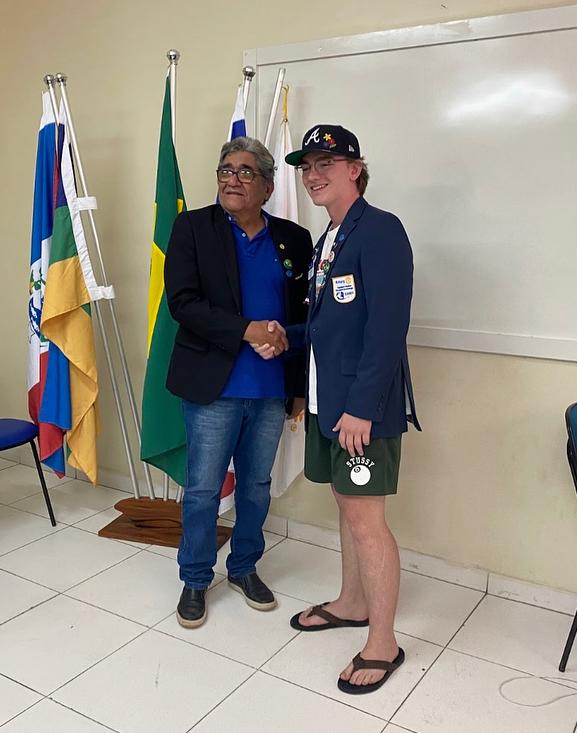
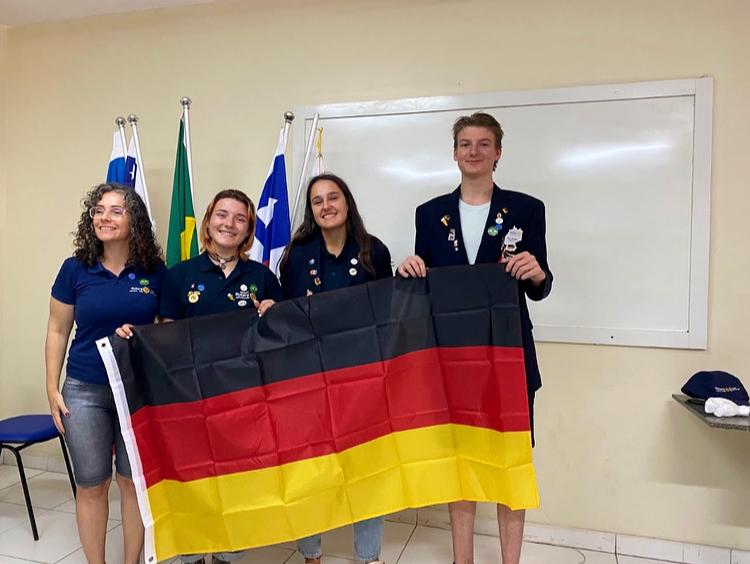
On the pictures beneath you can see Ben from USA, Levke, Fanny and Paul from Germany, Chelsea from Canada, Thomas, Liu, Eugenie and Estelle from France, Me from Denmark and all of us together.
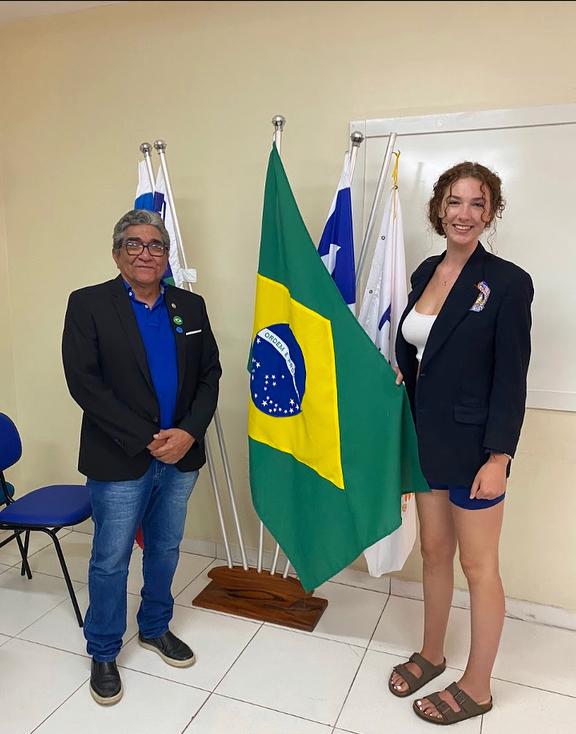
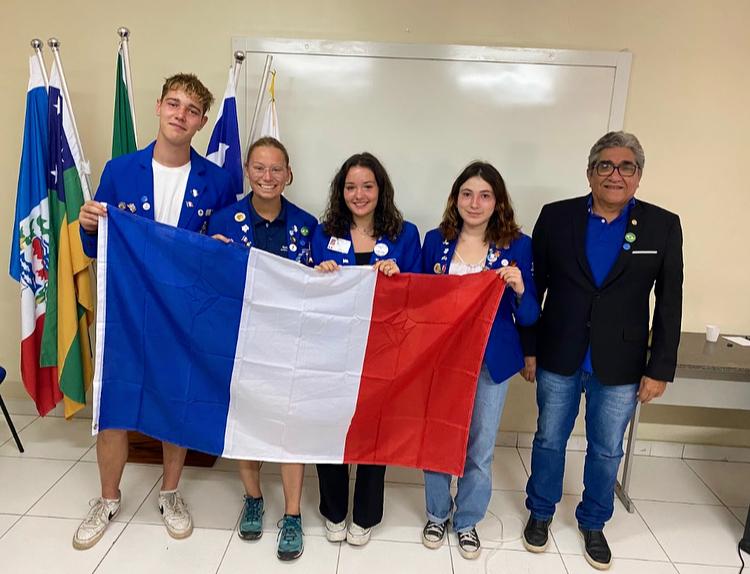
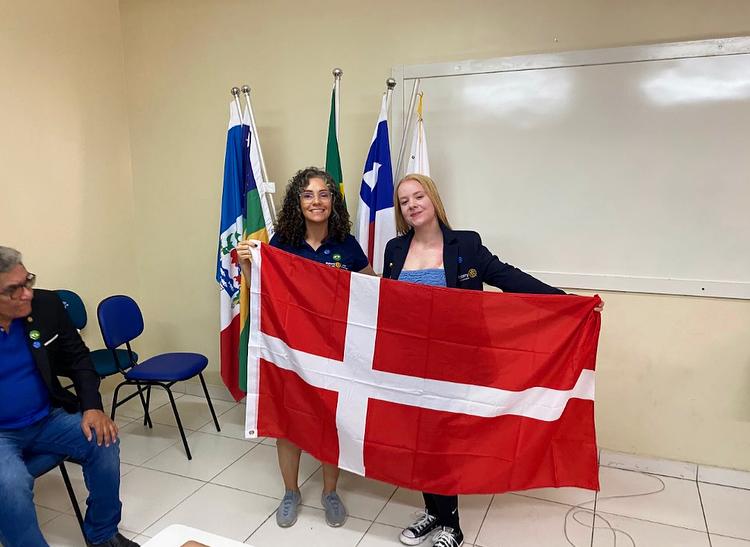

The next day consisted of a lovely boat trip and a party at the house of Eugenies host family. This was also the day, where we learned exactly how late brazilians can be.
We were told to be ready at 9am, which meant that most of the european students were ready and waiting at 8.55. The Brazilians however only arrived forty minutes later, and then we still had to wait for two more people, which meant that in the end we were around 1-1.5 hour late. Something all of the european students were quite shocked by.
But despite the “small” delay, everyone was in a good mood and ready for the day.
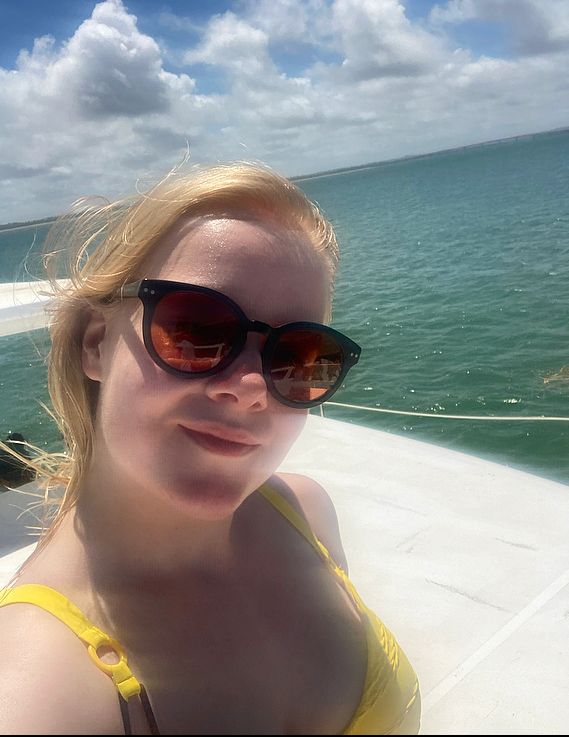
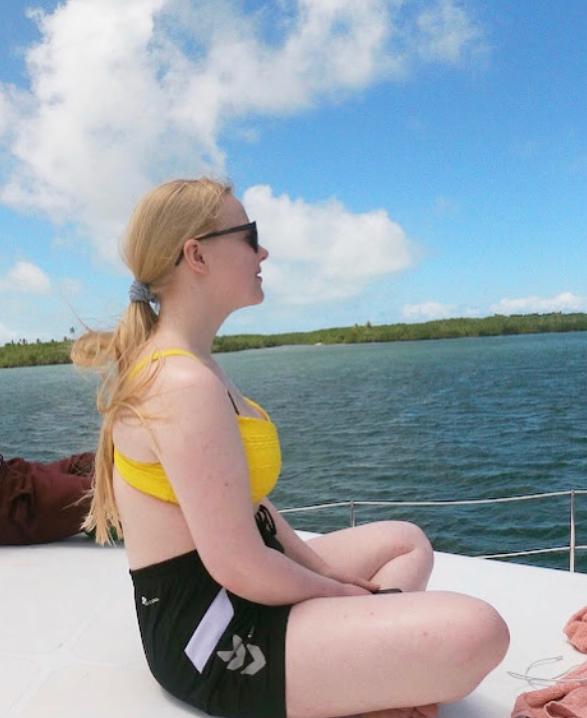
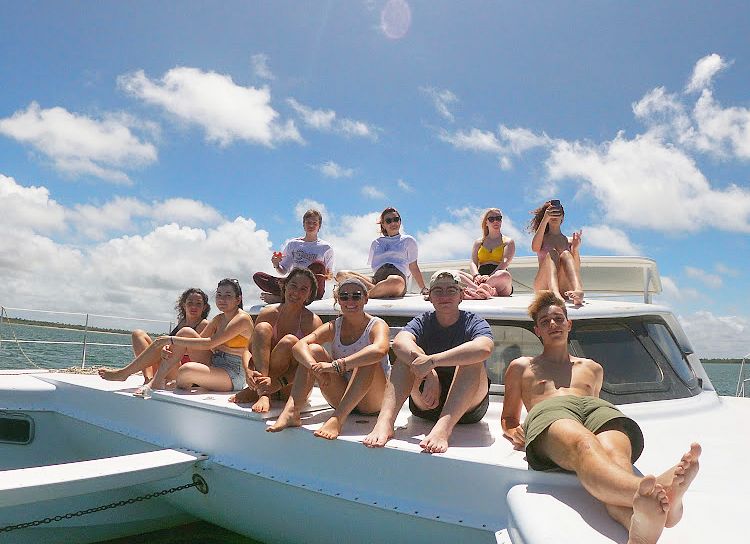
The boat belonged to the family of the german girl I was staying with, and we started by sailing along the river to a small island not far away. Here we spent hours exploring the island, swimming in the ocean, eating lunch and taking pictures. We even saw dolphins!
A sudden downpour however forced us to leave and served as a reminder that in Brazil it’s only winter, even if it was hot enough to walk around in bikinis all day, and the sun shined bright enough to give me quite a nasty sunburn.
After returning to land we went to the house of Eugenies host family, where we could take a shower, put on our “party clothes” and get to know each other.
It was a super nice evening with pizza, music and cultural exchange. Some flocked around the pool table (and we all proved to be notoriously bad at it), while some joined the dance circle with the Rotex girls teaching them brazilian dances, and some simply sat around and talked about everything from books to politics and the upcoming brasilian election.



The next day it was time to say goodbye and head home, but before that we had the very important pin exchange, official photos and cultural exchange event.
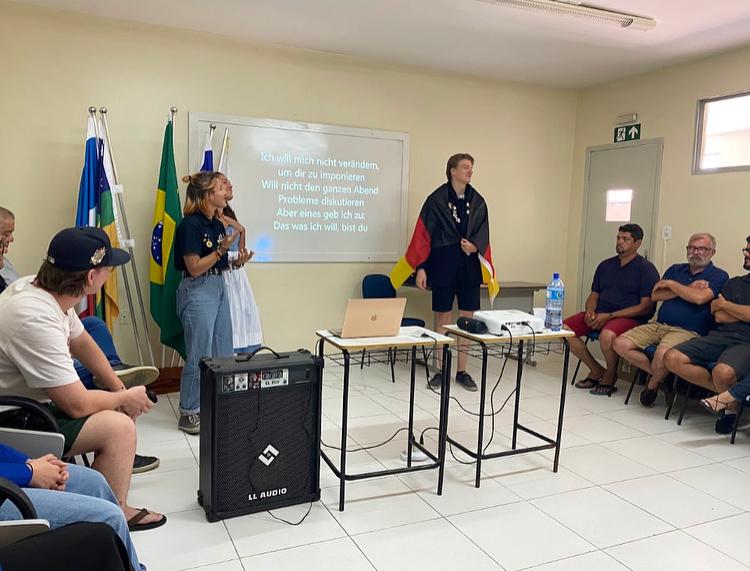
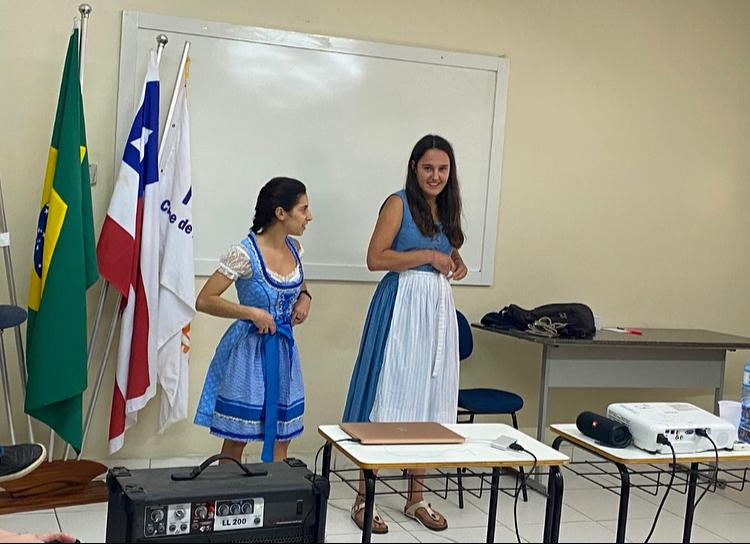
For the cultural event we had to prepare a presentation about something about our country. For example the german students showed us the national anthem and some typical examples of schlager music. One of the german girls and her host sister, who had been in Germany as an exchange student, also explained the history and meaning of the traditional dress: the Dirndl.
For Denmark I talked about the history and significance of fairytales and mythology in Denmark and told my personal favorite fairytale of H.C. Andersen.


 Little Wanderer
Leave a comment